Shipping costs remain key challenge for solar sector
The solar industry will face elevated shipping costs and supply disruptions for at least another year until the global ocean freight system starts to normalize.
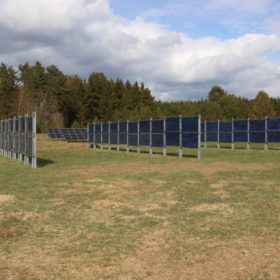
The stabilizing effect of vertical east-west oriented PV systems
German researchers have looked at how vertical PV systems could provide more electricity during periods of higher demand, while enabling a higher level of integration with agricultural activities.

India may miss 2030 renewables target by over 104 GW
The nation may miss its 2030 target of 500 GW renewables capacity by over 104 GW under the current market trend.
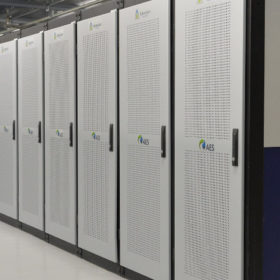
Fluence opens new tech center in India
Energy storage specialist Fluence has opened a technology center in Bengaluru, as part of its plans to localize production in India in the future.
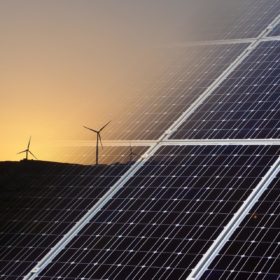
ReNew refinances dollar-denominated bonds worth $525 million
The Indian renewable energy developer has refinanced its dollar-denominated bonds worth $525 million ahead of their maturity in 2024. The refinancing has slashed the interest cost by 200 basis points and pushed the maturity to the end of the fiscal year 2027.
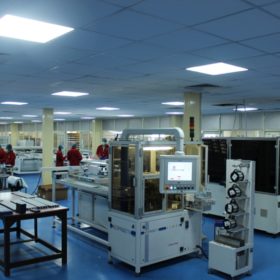
Gautam Solar hits 100 MW of DCR solar module sales
The Delhi-based solar manufacturer has supplied 100 MW of modules to projects set up under the Ministry of New and Renewable Energy schemes mandating domestic content requirement (DCR).

Emmvee eyes early-mover advantage with wafer-to-module production
Bengaluru-based Emmvee Photovoltaic has a 1.25 GW module manufacturing facility that can produce polycrystalline and mono PERC solar panels, with the ability to upgrade to TOPCon. By the end of 2023, it will raise its module capacity to 3 GW by adding new units, including 1.5 GW of wafer-to-module capacity. Suhas Donthi, director-sales and operations, spoke to pv magazine about current demand for Indian manufacturers and what’s in store.
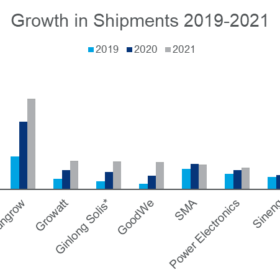
Huawei tops inverter supply rankings for 2021
China’s Huawei has been named the world’s biggest inverter supplier for the seventh year in a row, followed by Sungrow and Growatt, according to Wood Mackenzie.
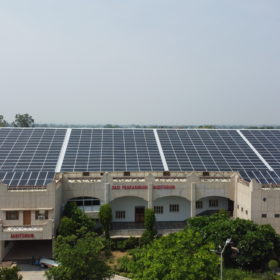
Aerem raises $2.5 million for its solar financing platform
The MSME solar financing platform will use the funds to grow its loan book, enhance the technology platform, and expand its team.
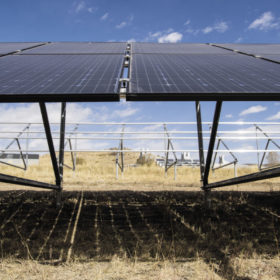
NTPC seeks bifacial modules for 735 MW Nokh Solar Park
NTPC will accept the bids to supply bifacial solar modules until July 28. The panels must have a nominal output rating of a minimum 530Wp and a maximum 560Wp.