Gujarat tenders 500 MW of renewables with storage
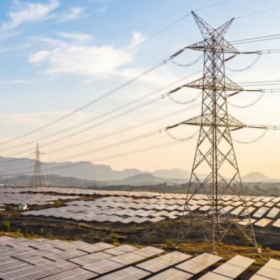
The selected developers shall set up grid-connected solar, wind or hybrid wind-solar projects on a ‘build-own-operate’ basis along with required energy storage systems for assured peak power supply. Bidding closes on July 30.

Battery metals: How quickly can supply ramp up?
A couple of weeks ago, Goldman Sachs sent shockwaves through battery metals markets, issuing a prediction that cobalt and lithium in particular were due for a sharp price decline in the next two years. But London-based Benchmark Mineral Intelligence is loudly pushing back, outlining its reasons why it believes the call on lithium was wrong. Meanwhile, US analyst Wood Mackenzie says that the battery raw material chain will remain tight, but notes that recycling could help to ease the supply deficit.
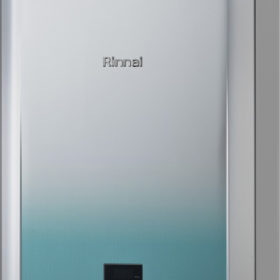
Hydrogen combustion tech for residential water heaters
Japan’s Rinnai has unveiled what it claims is the world’s first 100% hydrogen combustion technology for residential water heaters. It is currently using the hydrogen water heater in demonstration projects in Australia, prior to commercialization.

Used Audi e-tron batteries to power rickshaws in India
Battery startup Nunam is working with German carmaker Audi AG and the Audi Environmental Foundation to roll out electric rickshaws powered by used Audi e-tron used batteries. It expects to launch the e-rickshaws in India at some point early next year.

Replus to switch on 1 GWh lithium battery plant by March 2023
Hiren Pravin Shah, the executive director and CEO of Replus, told pv magazine that the company aims to scale its lithium battery factory in Pune to 5 GWh by 2025-26. It also plans to recycle end-of-life batteries.
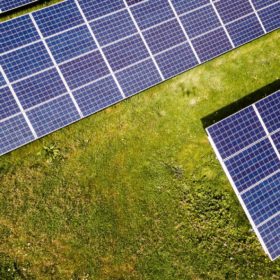
NHPC signs 600 MW solar EPC contract with Adani Infra
NHPC has awarded an engineering, procurement and construction contract to Adani Infra for 600 MW of solar. The capacity is part of 1 GW of grid-connected solar projects won by NHPC under the third tranche of the Central Public Sector Undertaking Program (Phase-II).
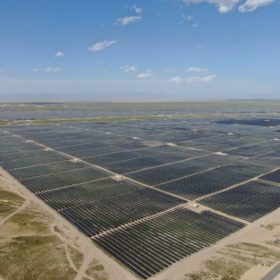
High-wattage solar modules increase risk of thermal runaway
Longi Solar outlines its high-temperature mitigation logic in designing the lower current, high-wattage Hi-MO5 solar panel series.
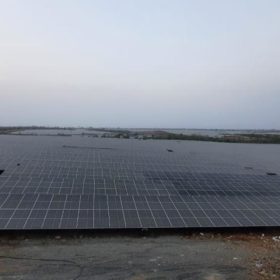
Tata Power commissions 66 MW of solar for Vibrant Energy
Tata Power Solar has completed a solar engineering, procurement and construction (EPC) contract for a 66 MW solar project in India within nine months, bringing its cumulative utility-scale PV portfolio to 9.7 GWp.
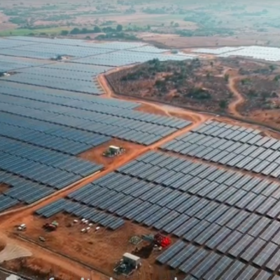
ReNew’s operational renewables portfolio hit 7.6 GW in FY2021-22
ReNew Power’s total income rose 27% year on year to INR 69,195 million ($912 million) in fiscal 2021-22, on 130 MW of solar capacity additions in the fourth quarter alone. Its overall renewables portfolio rose to 10.7 GW at the end of March, including 7.6 GW of commissioned capacity and 3.1 GW of committed projects.

NTPC now operating 35 MW portion of 56 MW Kawas solar project
State-run power generator NTPC has switched on 15 MW of capacity at the 56 MW Kawas solar project in Gujarat, following the commissioning of 20 MW in May.