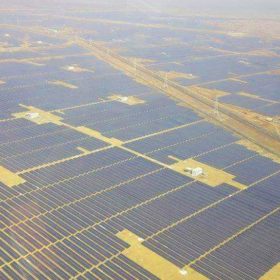
PFC signs MoUs for clean energy lending worth around $29 billion
Adani, Greenco, ReNew, Continuum, Avaada, JBM Auto, Megha Engineering & Infrastructure Ltd, and Rajasthan Renewable Energy are amongst companies that signed the MoUs to raise funds for their clean energy projects.
Energy communities operating on hydrogen, batteries
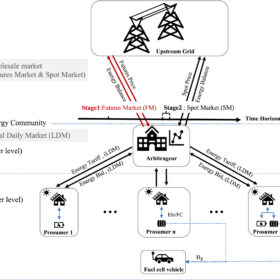
Researchers in Spain have studied the impact of hydrogen production and storage technologies in risk management for energy communities with internal price-tariff systems. They found that the optimal involvement in futures markets and spot markets will depend on a community’s risk aversion and self-sufficiency.

ReNew signs MoUs worth $7.8 billion for green energy projects
Power Finance Corp. (PFC) and Rural Electrification Corp. (REC) committed debt funding of $3.9 billion each.
Acme secures $488 million REC loan for green hydrogen, ammonia project in Oman
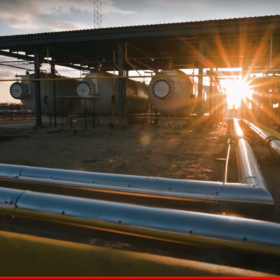
REC has also agreed to lend INR 21,000 crore for Acme’s 380 MW round-the-clock renewables plant, the first phase of Odisha and Tamil Nadu green ammonia projects, and 600 MWh of pumped hydro project.
HPCL building 370 tpa green hydrogen plant in Andhra Pradesh
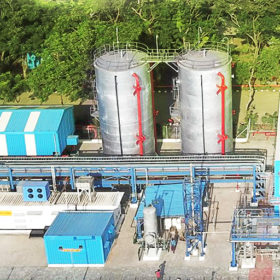
Hindustan Petroleum Corp. Ltd (HPCL) is setting up a 370 tpa (tonnes per annum) green hydrogen plant at its Visakhapatnam Refinery in Andhra Pradesh.
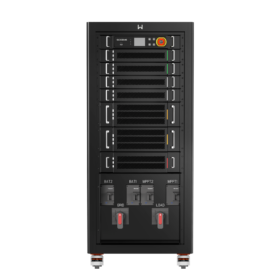
GoodWe unveils new inverters for C&I applications
China-based GoodWe has developed two new solutions – the ETC 100 kW hybrid inverter and the BTC 100 kW retrofit battery inverter – for commercial and industrial (C&I) solar applications.

Govt to retender 20 GWh battery cell capacity under PLI Scheme
The Ministry of Heavy Industries (MHI) will retender the 20 GWh advanced chemistry battery cell capacity that was left unallocated after Hyundai Global Motors Co., one of the winners of the 50 GWh PLI tender, withdrew from the scheme last year.
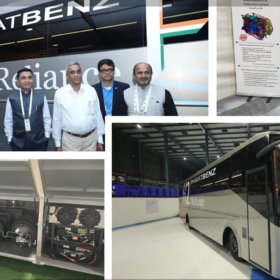
Reliance Industries, BharatBenz unveil intercity luxury bus powered by hydrogen fuel cell
The intercity luxury coach, engineered by BharatBenz, runs on Reliance Industries’ hydrogen fuel cell technology.
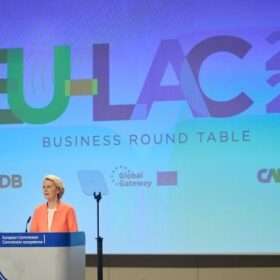
The Hydrogen Stream: EU, Argentina, Chile, Uruguay to partner on hydrogen
The European Commission and the European Investment Bank have agreed to collaborate with Argentina, Chile and Uruguay on hydrogen, while Masdar, Mitsubishi and Inpex have said that they will use green hydrogen to produce e-methane and polypropylene.
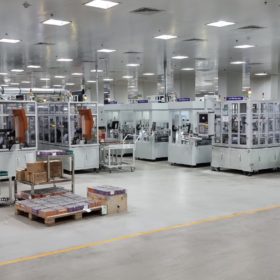
Exide Energy secured $85.3 million of orders for lithium-ion battery packs, modules in fiscal 2022-23
Exide Energy (Nexcharge), which started commercial production last year, received a healthy order inflow for lithium-ion-based battery packs and modules during FY 2022-23.