India powers ahead as Asia set for 355 GW of PV by 2023
Despite political hurdles in key markets including China and Japan, Asia remains highly active. This year, 59 GW of solar is expected to be installed and due to further system price declines, a phase-out of subsidy schemes can be offset.
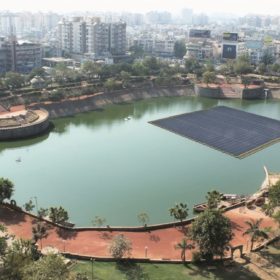
ReNew Power to develop 3 MW floating PV project in Andhra Pradesh
SECI has opened up to 10 GW of floating PV for expressions of interest to accelerate adoption of the solar platform. The potential generation capacity for the technology in India is enormous, with 700 GW possible if just one-third of the country’s water reservoirs are exploited.
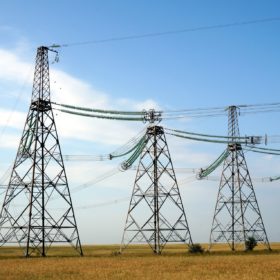
‘SECI’s 10 GW solar tender will not attract big developers’
Big players such as Acme, ReNew, Adani, Azure, Hero Future and Aditya Birla Solar are likely to stay away from procurement which requires 3 GW annual manufacturing commitment, says industry insider Gopal Lal Somani.
Hitting 76% of its solar ambition would still be some achievement for India
Analysts are weighing into the debate over the MNRE’s big solar plans, but pointing out that even a partial victory would set the foundation for future solar triumphs.

Historic tariffs could be revised to reflect GST costs
Developers have successfully secured relief from the federal government to mitigate the effects of GST on PV projects. One-off compensation will be paid and tariffs may be adjusted to reflect any ongoing rise in maintenance expenses.
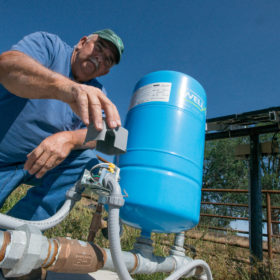
Rural India a $50 billion market for clean energy innovations
The farming sector offers the largest green energy innovation opportunity, with rice transplanting, pesticide spraying and grain harvesting together having a market potential worth $40 billion – says the Council on Energy, Environment and Water.
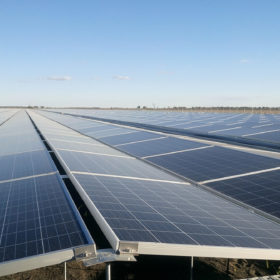
India added world’s second largest PV capacity in first half of 2018
The nation installed 4.9 GW of solar, surpassing the USA – which installed 4.7 GW – to become the second largest solar market in the first half of the year, second only to China’s 24.3 GW.
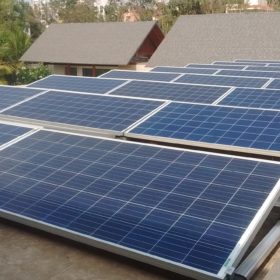
India’s 40 GW rooftop solar aim hit by high costs, net metering caps
Factors including the ability to reach less credit worthy clients, standardised regulatory support and a rating mechanism for developers could promote rooftop solar uptake in India.

SECI defers ‘world’s biggest’ solar auction until mid November
The bid submission deadline for the national 10 GW, inter-state PV project plus manufacturing tender is now November 12. According to officials, there are amendments to be made in the tender requirements, for which it is awaiting a ministerial mandate.

Fall in rupee against the dollar will see solar targets missed, predict analysts
Ratings agency adds to pessimistic predictions about Indian solar with MNRE ambition of 34 GW of solar auctions next year at real risk. The news follows similar warnings about India’s 100 GW solar target.