NLC tenders 300 MW of solar in Rajasthan
The state-run thermal energy giant has invited bids to install and commission 300 MW of grid-connected solar projects in Rajasthan. Bidding closes on November 11.
REC places order for Maxwell’s HJT solar line
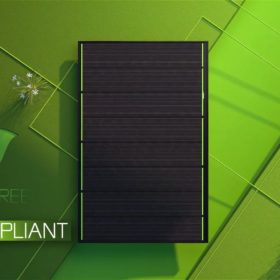
Maxwell Technologies will supply 600 MW of manufacturing equipment for REC’s latest heterojunction (HJT) innovation, REC Alpha Pure-R.
Tata Power targets 10 GW of renewables portfolio in Rajasthan in next five years
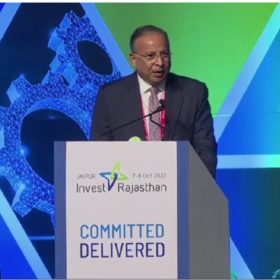
Tata Power is looking to expand its renewable power portfolio in Rajasthan to 10 GW in the next five years, from around 5 GW at present. It will also set up solar manufacturing units in the state.
Why do solar power plants work inefficiently?
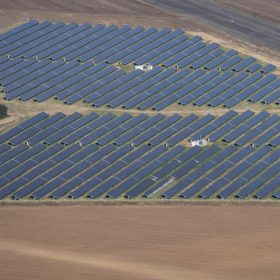
When choosing a solar power plant, individuals and businesses pay the most attention to its power – after all, this will determine how much electricity will be produced. Other equipment, systems and sensors that allow monitoring and analysis of the operation of the power plant are often underestimated. But they shouldn’t be: the solar power plant will be used for several decades, so various failures and poor-quality monitoring can have a significant impact on the efficiency of electricity production.
Jio-bp to install fast EV chargers at M&M dealerships
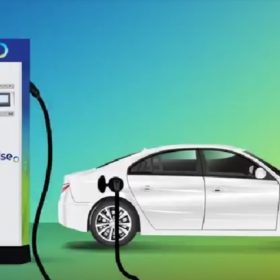
Jio-bp will set up a DC fast charging network at Mahindra & Mahindra’s dealership network and workshops across the country as the latter plans to launch a range of electric SUVs in the next few years.

Challenges to utility-scale solar in India
The growth of utility-scale solar PV in India is marred by several challenges such as availability of land, limited local manufacturing capacity, high transmission and distribution losses, grid integration, and other inefficiencies.
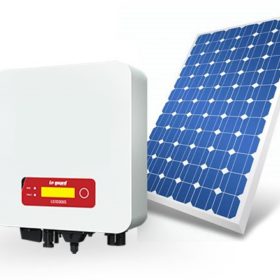
Livguard unveils wall-mountable inverters for residential solar
India’s Livguard Solar has unveiled single-phase, grid-interactive inverters in rated power outputs of 3 kW and 5 kW, and efficiencies of 97.7% and 98%, respectively.
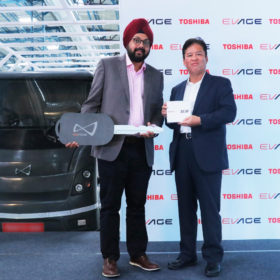
Toshiba to supply LTO battery cells for EVage commercial vans
Toshiba has signed the deal to supply its SCiB line of lithium titanium oxide (LTO) chemistry battery cells for use in EVage Automotive’s commercial trucks.
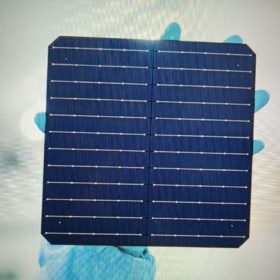
Copper is the new silver lining
As the PV industry scales to annual terawatt-level production to rapidly curtail the world’s emissions, it will become more challenging to continue the cost reduction trajectory. Increasing module production from current levels of 200 GW to 300 GW to several terawatts each year will consume significantly more material resources than the industry currently uses. This will require consideration of the additional materials to be sourced, writes Alison Lennon, chief scientist at Sundrive Solar and professor at the UNSW’s School of Photovoltaic and Renewable Energy Engineering.
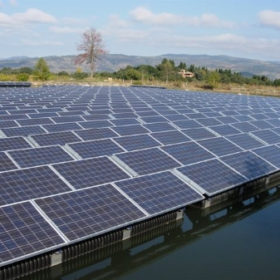
Hartek Solar to build 2 MW floating solar plant
Chandigarh-based Hartek Solar has secured an order to construct a 2 MW floating solar plant at a water reservoir in Chandigarh that supplies water to the entire Chandigarh city.